The most frequently asked questions by those who want to build a winter garden: How much does it cost? Which glass system should be chosen? How is heating done? In this guide, we explain everything step by step.
What Is a Winter Garden?
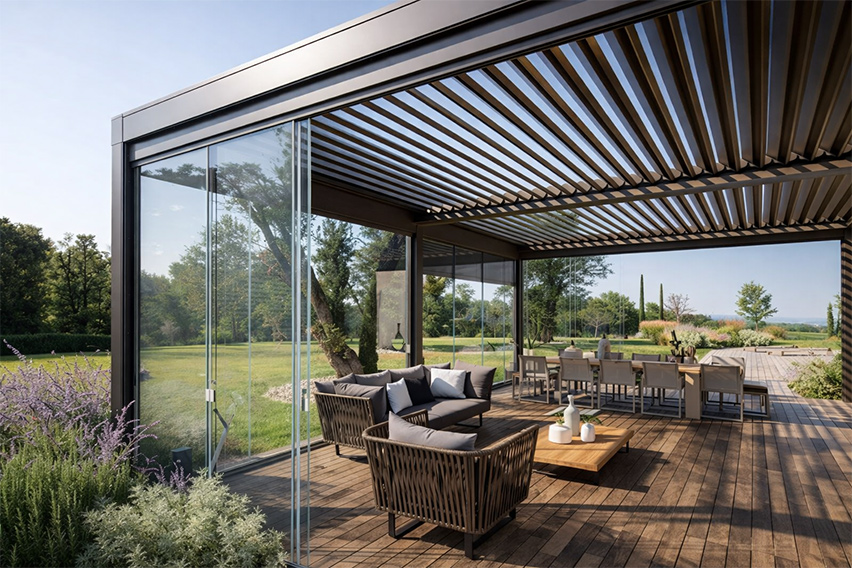
A winter garden is an enclosed living space added to a section of a home or workplace, usable in all four seasons, surrounded by glass or polycarbonate panels. Also known as a conservatory, glass house, glass veranda, or glass terrace, these structures let in natural light while protecting you from cold, wind, and rain.
In recent years, demand for winter gardens in Turkey has been growing rapidly. Especially in major cities such as Istanbul, Ankara, Izmir, Bursa, and Antalya, winter garden applications are becoming widespread in both residential and commercial projects including restaurants, cafes, and hotels.
Advantages of a Winter Garden
Four-season use: Provides a cool space in summer heat and a warm space in winter cold.
Energy savings: With proper insulation, reduces heating costs.
Adds value to your home: Can increase real estate value by 10–25%.
Natural light and comfort: Reduces vitamin D deficiency and supports psychological wellbeing.
Multi-purpose use: Can be used as a living room, dining area, home office, or greenhouse-like environment.
Aesthetic appeal: Modern glass systems add architectural value to your home.
Types of Winter Gardens: Which One Is Right for You?
Aluminium Winter Garden: The most common choice. Lightweight, durable, and economical. Corrosion-resistant. Wide color options; adaptable to any architecture with RAL colors.
PVC Winter Garden: Excellent thermal insulation. More affordable but aesthetically more limited compared to aluminium. Preferred in cold climates.
Steel and Iron Winter Garden: Ideal for industrial and loft-style projects. High durability but also higher cost.
Wooden Winter Garden: Offers a natural and warm appearance. Requires maintenance; regular protection against moisture and sunlight must be applied.
Winter Garden Glass Selection: The Most Critical Decision
Glass selection directly affects both comfort and energy efficiency. Here are the most important glass types:
Double Glazing (Insulated Glass): A system with argon gas filled between two glass panes. Widely used in standard winter gardens. U-value: 1.1–1.4 W/m²K.
Triple Glazing: Provides maximum insulation with three glass layers. Ideal for cold regions and projects prioritizing energy efficiency. U-value: 0.6–0.8 W/m²K.
Solar Control Glass: Reflects solar rays in summer, preventing overheating. Recommended for year-round comfort.
Laminated Safety Glass: Does not shatter when broken, enhancing safety. Preferred for families with children and commercial projects.
Smart Glass (Electrochromic): Advanced technology glass whose transparency is adjustable by electricity. Winter Garden Tech also offers smart glass systems.
Expert Advice: We recommend using at least double-glazed glass based on your climate conditions, and choosing solar control glass for south-facing facades.
Winter Garden Roof Systems
Sloped Glass Roof: Maximizes natural light, but may overheat in summer.
Flat Roof: Offers a modern look; requires proper drainage to prevent water accumulation.
Polycarbonate Roof: Lightweight and economical; less aesthetic than glass systems.
Pergola + Glass Roof: Provides open/close flexibility; requires regular maintenance.
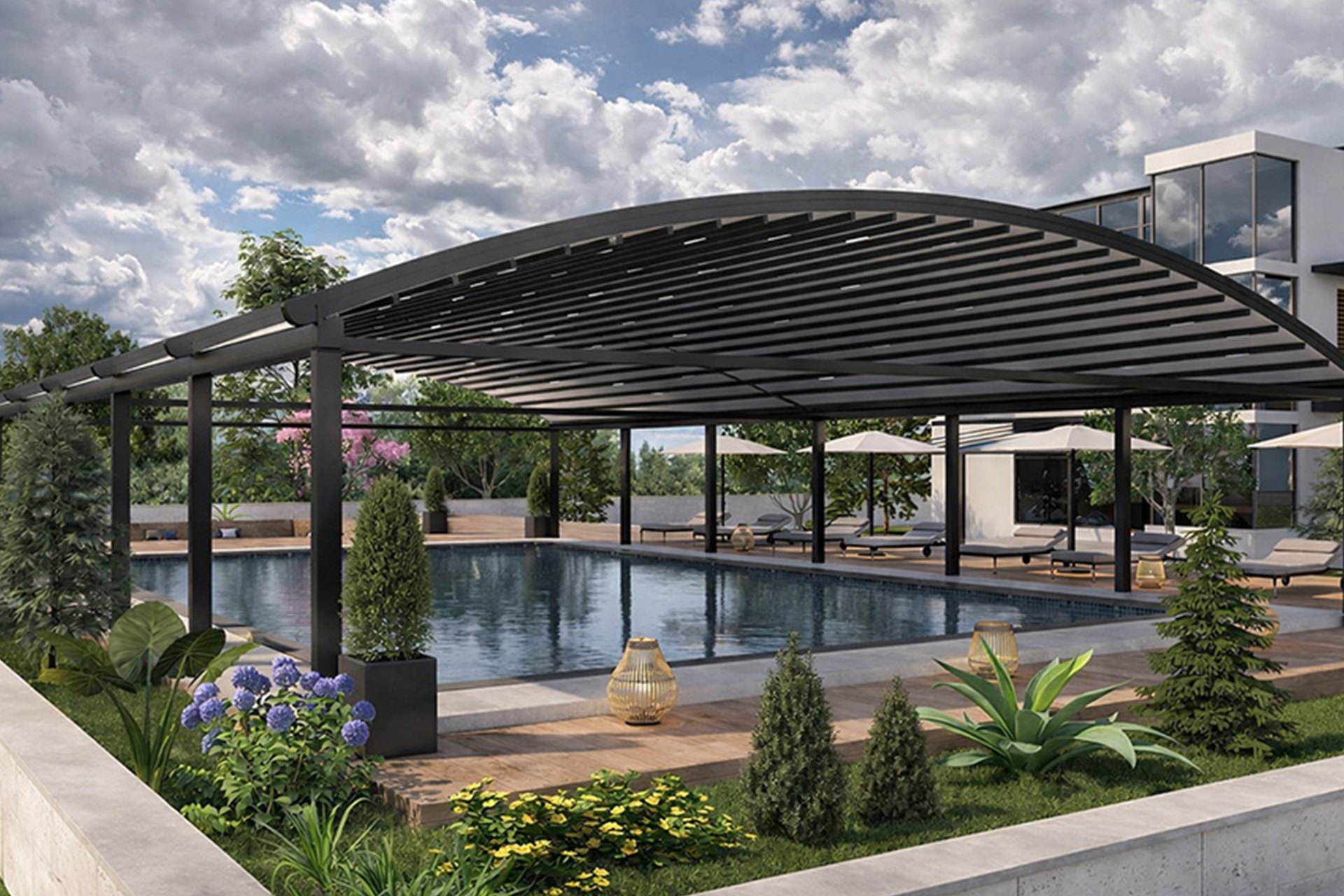
Retractable Glass Roof: Allows use in two positions for summer and winter; comes at a higher cost.

Winter Garden Heating Systems
A proper heating system is essential for your winter garden to be comfortable throughout all four seasons.
Underfloor Heating: The most comfortable heating method. Provides warmth at foot level, preventing condensation and moisture. Although installation cost is high, it is energy-efficient in the long term.
Air Conditioning (Heat Pump): Both heats and cools. High energy efficiency and easy installation. Inverter air conditioning systems are recommended.
Radiator System: Can be connected to central heating. An economical solution but may create top-bottom temperature differences.
Electric Panel Heater: Practical and easy to install. Ideal for small spaces or as a temporary solution.
Solar Energy Integration: Hybrid energy systems with photovoltaic panels and solar collectors can be installed in modern winter gardens. Winter Garden Tech offers special solutions in this area.
Winter Garden Ventilation
Ventilation is another topic as important as heating. Insufficient ventilation causes condensation on glass surfaces, leading to mould with moisture.
Top-opening casement windows: Provide air circulation through natural convection.
Motorized ventilation flaps: Operate automatically or by remote control.
Double-leaf doors: Allow cross-ventilation.
Smart ventilation sensors: Provide automatic opening based on CO₂ and humidity levels.
Winter Garden Flooring Options
Flooring selection is important both aesthetically and in terms of durability.
Porcelain tile: Waterproof, durable, and easy to clean.
Wooden deck: Offers a warm look; recommended for enclosed spaces.
Composite deck: Wood-look appearance; maintenance-free.
Polished concrete: Suitable for industrial and modern projects.
Natural stone (Travertine, Granite): Long-lasting and aesthetically pleasing.
Key Considerations When Installing a Winter Garden
Municipal Permit and License: Winter garden installation often requires a building permit. For structures built on the ground in detached houses, the relevant municipal authority must be contacted. Always consult the authorities to avoid illegal construction issues.
Structural Engineering: The weight of glass and frame systems, snow load, and wind load all require engineering calculations. Professional winter garden companies must perform these calculations during the project process.
Sun Orientation and Positioning: A south-facing facade provides passive solar heating in winter. A north-facing facade offers diffuse light and is unaffected by summer heat. An east-facing facade captures morning sun; solar control glass is recommended for west-facing ones.
Condensation Control: One of the most common issues in winter gardens is condensation. The right combination of glass selection, proper ventilation, and underfloor heating largely eliminates this problem.
Plants for Your Winter Garden
A winter garden is also a perfect environment for growing plants. In winter gardens with sufficient light, you can create a green space all year round.
Palm species (Chamaedorea, Areca) and lemon and orange trees thrive beautifully in enclosed environments. Bay laurel, olive trees, orchids, and tropical plants are also highly suitable for winter gardens. You can add climbing plants and vines to walls, and even grow aromatic herbs like basil, mint, and thyme.
Winter Garden Decoration Ideas
Rattan and bamboo furniture harmonizes perfectly with natural light. Hanging planters create a sense of ceiling height. A fireplace or bio-fireplace adds a warm and romantic atmosphere. Retractable awnings provide sun control in summer. A small water feature or pond offers a soothing sound effect. A rug or carpet on the floor adds warmth in winter; smart LED lighting completes the evening atmosphere.
With the right glass, the right system, and the right installer, a winter garden adds value to your home for decades and provides enjoyment in all four seasons.
Winter Garden Prices 2025: How Much Does It Cost?
The cost of a winter garden varies depending on size, material quality, glass system, heating, and your location.
Economical Aluminium + Double Glazing: 8,000 – 14,000 TRY/m²
Mid-Range System: 14,000 – 22,000 TRY/m²
Premium Aluminium + Triple Glazing: 22,000 – 35,000 TRY/m²
Custom Design / Architectural Project: 35,000 TRY/m² and above. Prices are estimates based on 2025 market conditions and may vary per project. Contact Winter Garden Tech for an exact quote.
Winter Garden Maintenance
Regular maintenance is required to extend the life of your investment. Clean the glass 2–4 times per year using a specialist glass cleaner; avoid abrasive materials. Wipe aluminium profiles annually and check the sealants. Renew silicone sealants every 5–7 years. Lubricate moving parts such as hinges and arms once a year. Clean the roof drainage regularly to prevent blockages that could cause damage. Rotate plants seasonally and remove yellowed leaves.
Why Winter Garden Tech?
As Winter Garden Tech, we offer a complete winter garden experience from design and production to installation and after-sales service. We make a difference with over 10 years of industry experience, project capacity across Turkey, and aluminium profile systems to European standards.
We provide custom design and architectural integration, smart home-compatible winter garden solutions, and underfloor heating and solar energy integration. Our projects come with a 2-year installation guarantee and a 10-year profile guarantee.
Frequently Asked Questions
How long does it take to install a winter garden? It is completed in 1–4 weeks depending on the size of the project. Small balcony-type projects can be finished in 3–5 working days.
Is a municipal permit required for a winter garden? In most projects, a building permit or zoning approval is required. Independent glass balcony systems on apartment balconies can generally be installed without a permit; however, this depends on the consent of the building management board.
Does a winter garden really stay warm in winter? Yes. With the right glass and heating system selected, you can maintain temperatures 8–15°C warmer than outdoors during winter months.
Does a winter garden get too hot in summer? Summer comfort can also be achieved with solar control glass or an openable ventilation system. We particularly recommend solar control glass for south-facing winter gardens.
Can air conditioning be used in a winter garden? Yes. Inverter air conditioning systems are ideal for both heating and cooling. Installation must be carried out in a way that is compatible with the structure of the winter garden.
Is a winter garden earthquake-resistant? Winter Garden Tech projects are designed with static calculations compliant with Turkish earthquake regulations. Aluminium systems are resistant to seismic movement thanks to their flexible structures.
Conclusion: Are You Ready to Build Your Winter Garden?
A winter garden is an investment that adds value to your home, improves your quality of life, and brings enjoyment in all four seasons. A winter garden built with the right materials, the right glass system, and the right installer will serve you trouble-free for decades.
As the Winter Garden Tech team, let us design your dream winter garden together. Contact us for a free site visit and price quote.