
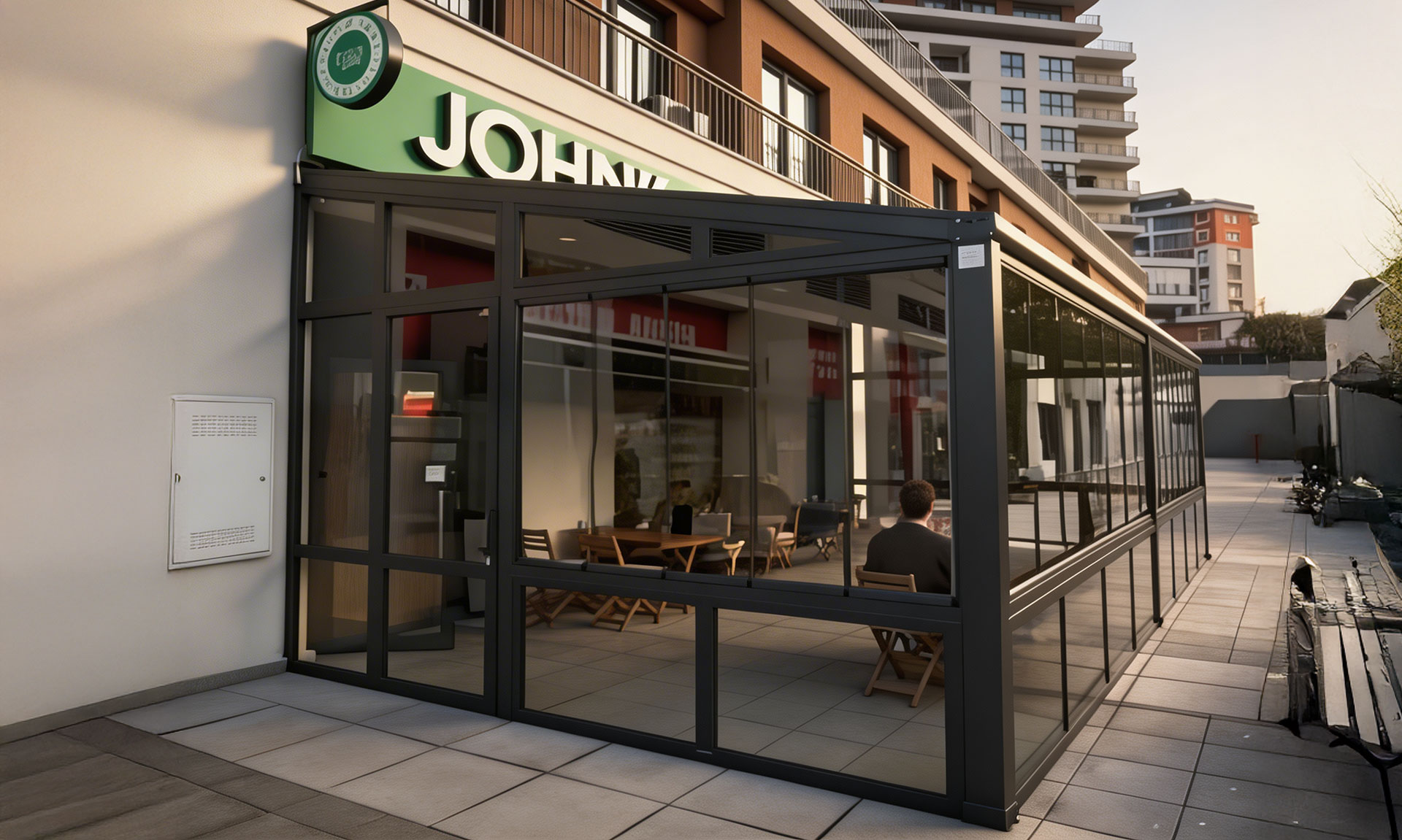
Choosing a pergola suitable for winter does not simply mean enclosing an outdoor area; it means transforming it into a comfortable, safe, and long-lasting living space that can be enjoyed in all four seasons. Modern pergola systems, especially preferred for villas, terraces, verandas, restaurants, cafés, and commercial open-air projects, must deliver high performance against harsh weather conditions such as rain, snow, wind, and low temperatures. For this reason, when selecting the right pergola, not only the aesthetic appearance but also material quality, waterproofing, snow load resistance, automation infrastructure, and professional installation quality should be evaluated together. As Wintergardentech, in this guide we clearly address the key points to consider when choosing pergola systems designed to withstand winter conditions.
A truly winter-suitable pergola does not only provide shade; it delivers an insulated, controlled, and four-season outdoor living experience.
Why Is a Pergola Preferred in Winter?
The loss of functionality in outdoor spaces during winter is a serious drawback for both residential users and commercial businesses. Automatic pergola systems designed for winter protect open areas from rain, wind, and cold, extending their usability throughout the year. Especially in restaurant and café pergola solutions, they offer a major advantage by preserving customer capacity, while in villa and residential projects they expand living spaces without cutting off the connection to the outdoors. Modern pergola applications, supported by glass panels, zip screen systems, LED lighting, and heater integrations, make outdoor areas comfortably livable in a controlled way.
Material Quality and Structural System Durability
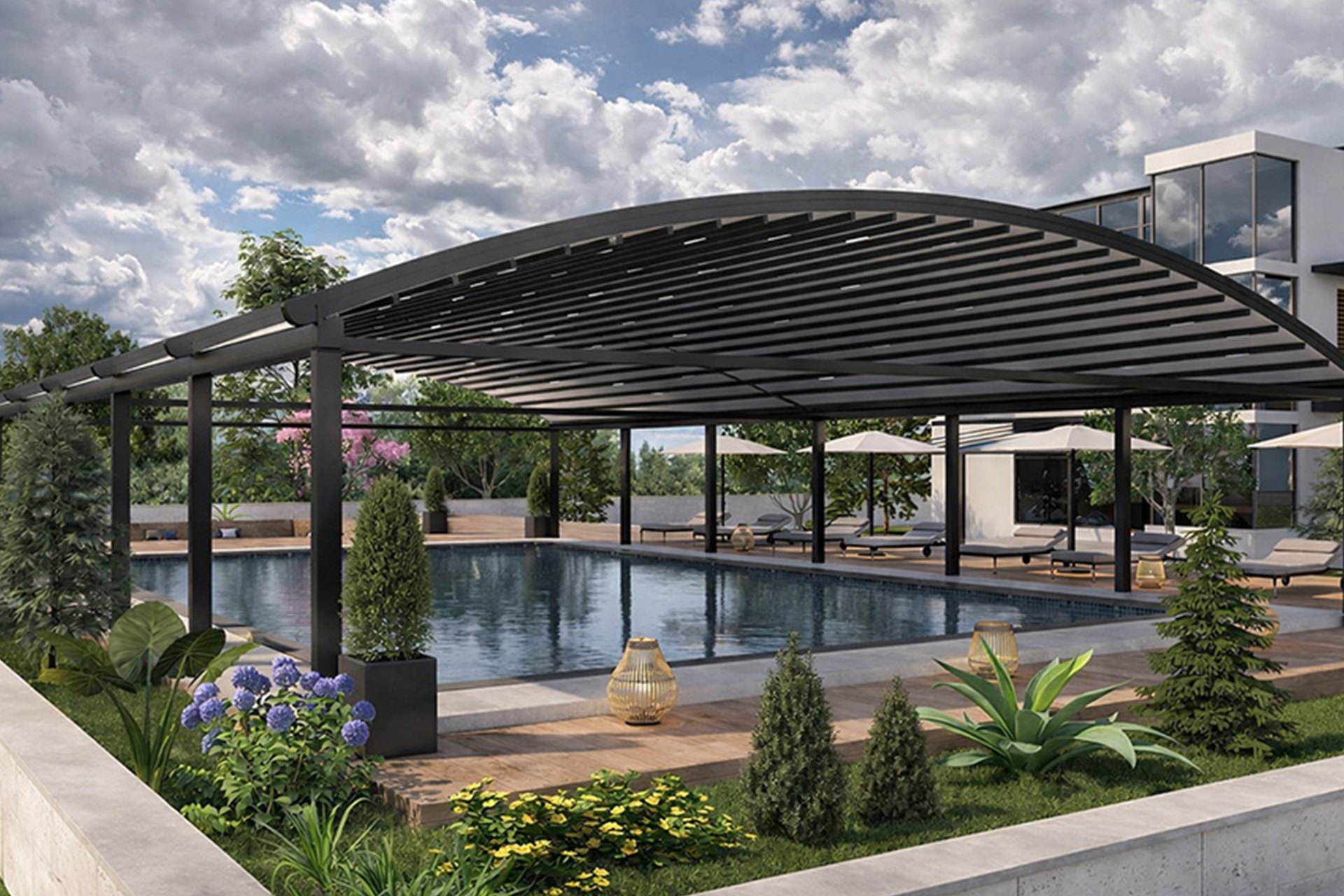
The first factor to examine when choosing a winter pergola is the quality of the material used in the structural system. Although wooden systems may look aesthetically pleasing, they carry a risk of deformation over time under heavy humidity, frost, and rainfall. For this reason, long-lasting pergola systems generally use powder-coated aluminum profiles or high-strength metal structural solutions. Aluminum pergola systems offer a more suitable choice for winter conditions thanks to their corrosion resistance, low maintenance requirements, and high strength. The PVC membrane, special panels, or bioclimatic louver systems used in the roof covering also directly affect the overall durability of the system.
Resistance to Snow and Rain Loads
In regions with heavy snowfall and frequent rainfall, it is essential that the pergola system’s structural calculations are properly made. Loads accumulating on the roof surface can cause deformation, sagging, or weakness at connection points in systems with poor engineering. Therefore, when selecting snow-resistant pergola systems, the structural profile dimensions, connection details, and drainage plan must always be examined. A sloped drainage structure, concealed internal gutter system, and drainage channels that provide controlled water flow protect the structure while also creating a dry and comfortable area beneath the pergola. Waterproof gaskets and joint details are also critical elements that determine real performance.
Wind Resistance and Stability
In pergola systems suitable for winter, wind load is at least as important as snow load. In systems installed in open areas, the anchoring solution, foundation connection, and installation quality directly determine safety. Especially in pergola models preferred in windy regions, ground fixing, profile rigidity, and overall system stability must be strong. Zip screens, sliding glass, or side enclosure systems do not only provide comfort; they also create an indoor effect and function as wind barriers. Therefore, users looking for wind-resistant pergolas should focus not only on appearance but also on the engineering infrastructure.
Waterproofing and Drainage Systems
No matter how elegant a pergola system looks, if its waterproofing is weak, it will not ensure long-term user satisfaction. Especially during winter, water leakage from roof joints, gutter blockages, or pooling caused by incorrect slopes can both shorten the lifespan of the system and reduce user comfort. Therefore, when choosing waterproof pergola systems, not only catalogue visuals but also real application details should be reviewed. Concealed internal drainage systems, high-sealing gaskets, and controlled flow solutions play a decisive role in year-round use.
As in SEO, the result in pergola selection lies in the details; it is not the system that looks good, but the system that works well, that stands out.
Heating, Lighting, and Smart Control Integrations
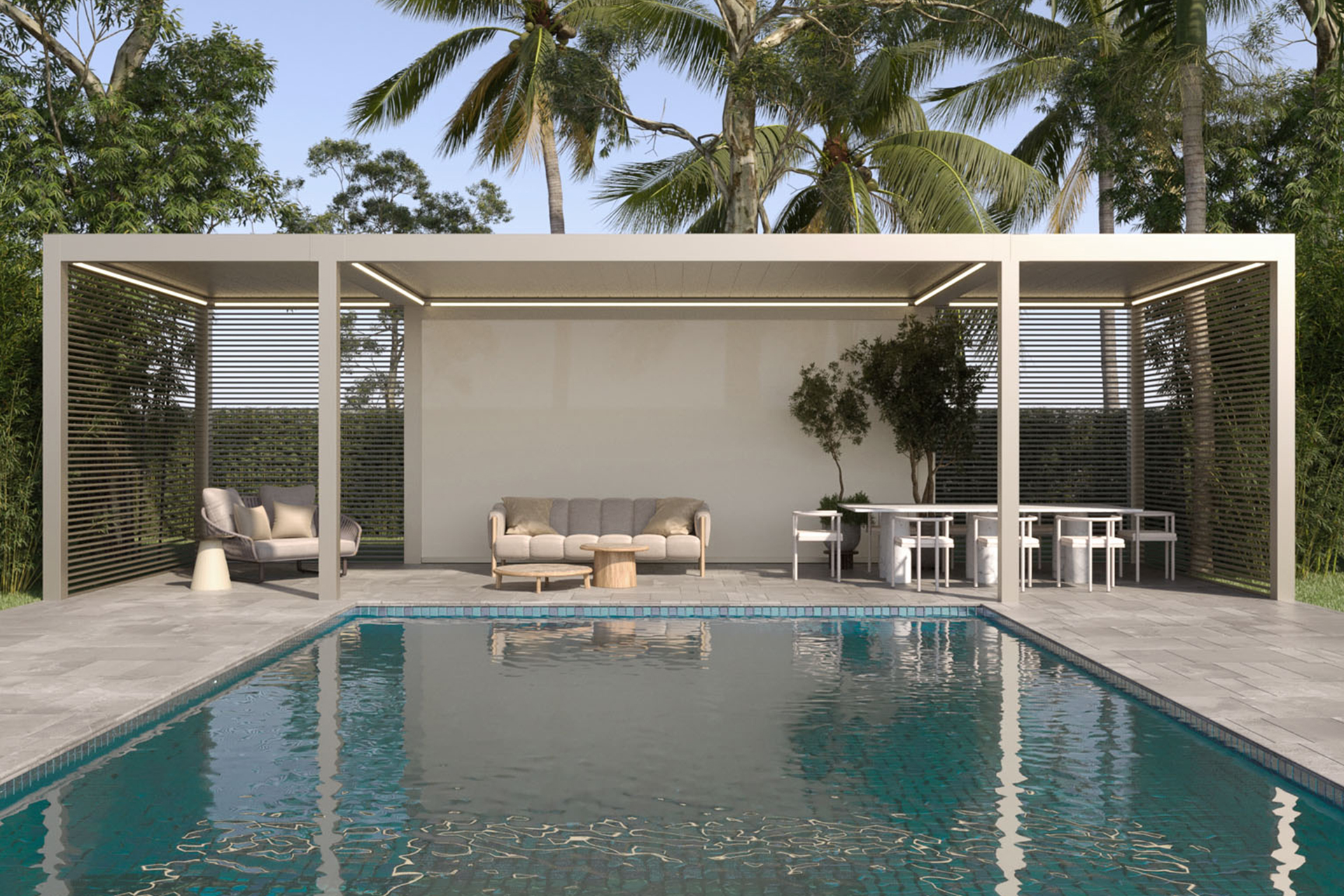
What makes a winter-suitable pergola system premium is not only its enclosed structure, but also the comfort features it offers. Infrared heaters, LED lighting, remote control infrastructure, sensor-based closing systems, and smart automation solutions transform the pergola into a true living space technology. Thanks to rain sensors, wind sensors, and motorized control systems, user intervention is minimized. Especially in bioclimatic pergola and automatic pergola systems, these integrations significantly increase usability in both residential and commercial areas.
Side Enclosure Systems: Glass, Zip Screens, and Level of Protection
In winter conditions, roof closure alone is not enough. Pergola projects supported by sliding glass systems, guillotine glass applications, or zip screen solutions offer much greater comfort by blocking wind, cold air, and rainfall coming from the sides. These systems both reduce heat loss and transform the outdoor space into a semi-enclosed or fully controlled area. While glass-supported pergola systems stand out for users who want protection without blocking the view, motorized zip screen systems provide a strong alternative for projects seeking a more flexible and functional solution.
The Importance of Professional Installation
The installation quality is just as decisive as the quality of the pergola system itself. Incorrect roof slopes, weak anchoring applications, faulty joint details, and inadequate insulation solutions can lead over time to water ingress, noise, shaking, or operational problems. For this reason, pergola installation must be carried out by expert teams in line with site inspection and engineering calculations. In Wintergardentech projects, site analysis, usage scenarios, and wind and water drainage plans are evaluated together before implementation to configure the most suitable system. This approach delivers a safer result both aesthetically and technically.
Maintenance and Long-Term Use
Although winter-resistant pergola systems offer the advantage of low maintenance, regular inspections are always necessary. In particular, it is important to keep drainage channels clean, check moving parts, carry out periodic maintenance on motorized systems, and clean glass or roof surfaces with the right products. For long-lasting pergola use, attention should be paid not only to product quality, but also to service support, spare parts availability, and the technical strength of the manufacturer.
In conclusion, choosing a pergola suitable for winter is a technical investment that should not be based solely on price. When material quality, snow and wind resistance, waterproofing, automation infrastructure, side enclosure solutions, and professional installation are evaluated together, the right system emerges. If your goal is to create an aesthetic, safe, and high-performance outdoor space that can be used in all four seasons, Wintergardentech’s project-specific pergola systems offer a strong and lasting solution in every area, from villa terraces to restaurant applications.
